





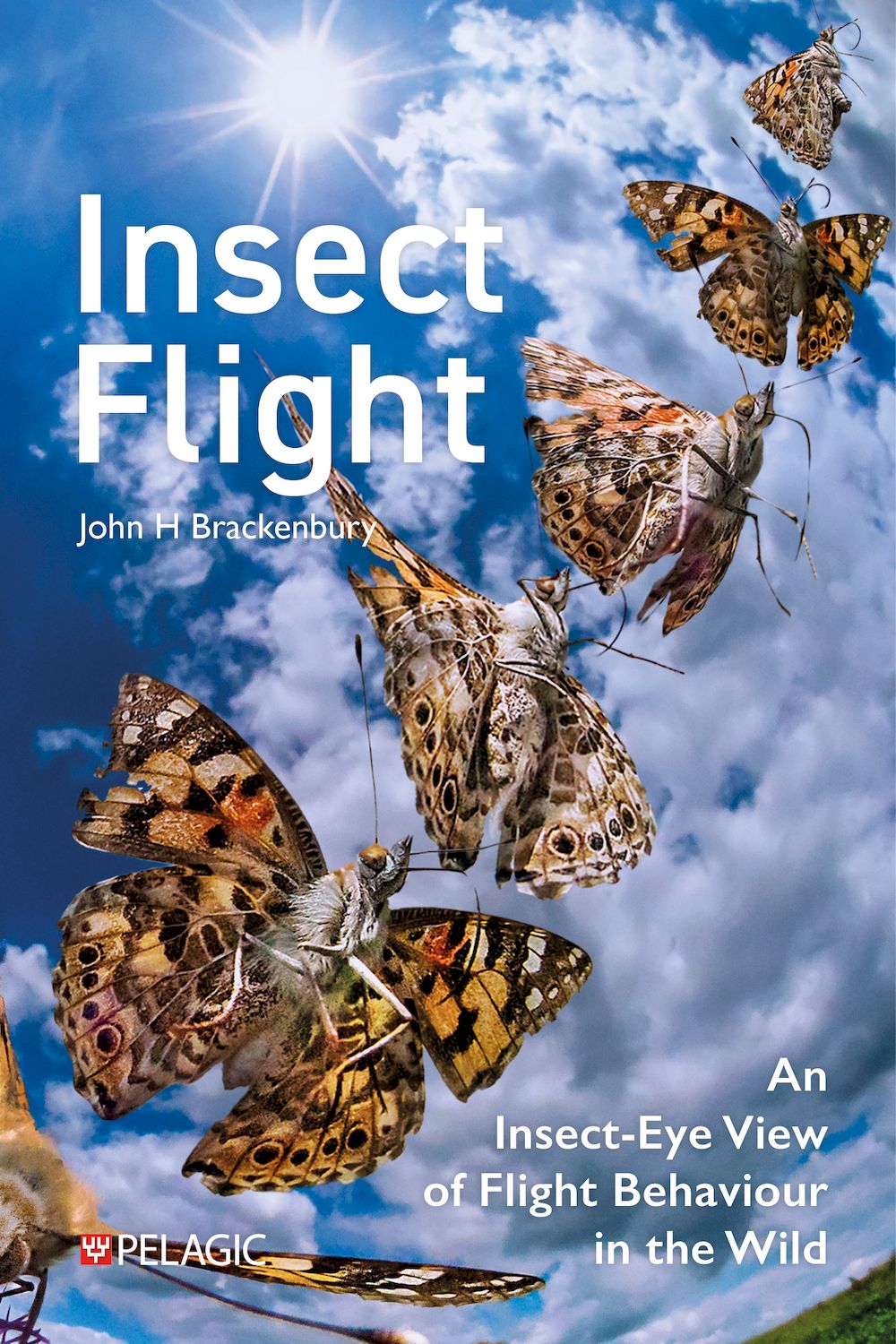


Insect Flight
An Insect-Eye View of Flight Behaviour in the Wild
- A unique, eye-to-eye look at flying insects in the wild, using original high-speed imaging techniques.
- Presents a new conceptual framework of flight as not just a mechanical process but a vital aspect of behaviour.
- Brings readers closer to the experience of insects’ lives by looking at flight from their point of view.
- behaviour
- Coming Soon
- entomology
- insect flight
- insects
Related Books




Description
This remarkable book offers a portrait of insects unlike any seen before. Using an original lens-based method of high-speed photography inspired by the wraparound vision of the compound eye, it presents 60 stunning images of flying insects. These unique panoramic close-ups take the study of flight out of the laboratory and into the natural environment, offering fascinating new insights on the behavioural ecology of insect flight.
As a form of animal locomotion, flight is a marvel of biological engineering, based on laws of aerodynamics virtually unknown in the world of human aircraft. But it would be wrong to think of flying insects as merely instinct-driven machines; life on the wing is challenging, and safe navigation requires a highly responsive nervous system. Moreover, insect flight is not just a mechanical process but an expression of complex and finely coordinated patterns of behaviour, including dancing displays, patrolling of breeding territories, wing waving as a form of signalling, and more. In the same way that a person’s hands are not merely functional instruments, the wings of an insect, through their movements, mirror inner impulses.
In lucid and engaging prose the author explains the anatomy and physiology of flight, its evolutionary advantages and drawbacks, and the distinct flight patterns shown by different groups of insects – demonstrating how a central nervous system comprising fewer than a million neurons can orchestrate such a varied repertoire of manoeuvres. Looking at things from insects’ point of view will help us see them not just as pests or resources to be exploited, but as vital fellow inhabitants of our planet in need of protection and conservation.
DOI: 10.53061/KWST1821
Table of Contents
1. How Wings Work
2. Flight Control and Hovering
3. Insects, Birds and the Origins of Flight
4. Butterfly Flight
5. Flight Behaviour
6. Male Flight Behaviour
7. Mating Flight
Index
Reviews
- There are many favourite images here, however what really stands out is the newer work using natural light. John has found the few remaining wild places in the fens, visited countless times and produced world class photography, transforming insects into objects of art. Truly inspirational.
—David Woodfall, award winning photographer and founder of Woodfall Wild Images - This book is a stunning testament to the unique skills of the author. Not only does it contain his latest eye-catching photographs and sequences, but also it includes a highly informative text explaining the mechanics, aerodynamics and behaviours of insect flight. John Brackenbury is a master of his chosen specialism and there is probably no other book that better portrays and explains insect flight than this.
—Jon Tarrant, former editor of British Journal of Photography - This is a splendid book. The text is an enjoyable and informative account of insect flight, focusing on behaviour in the field; but its particular merit comes from the photographs. John Brackenbury has long been an outstanding photographer of freely flying insects, but he has now moved from the studio into the hugely more challenging task of photographing and videorecording them at high speed in the wild. The results are unprecedented, and quite exquisite: pin-sharp and beautifully composed, with an astonishing depth of field. They are also scientifically valuable in providing significant new information about the flight kinematics of insects swarming, courting, conflicting and in other forms of flight behaviour.
—Dr Robin Wootton, Hon.FRES
About the Author
John H. Brackenbury is a zoologist, writer and photographer with extensive experience researching animal locomotion using high-speed photographic techniques. He is a retired lecturer of the University of Cambridge and an Emeritus Fellow of Wolfson College, Cambridge; a Fellow and Senior Imaging Scientist of the Royal Photographic Society; and a Fellow of the British Institute of Professional Photography.Bibliographic Information
 200 pages
 - BISAC SCI025000, SCI027000, NAT005000, NAT017000
- BIC PSVT7, PSAJ, WNCN, PSVP, MFG
